
2026 is a defining year for e-commerce design. We have clearly moved beyond the minimalist-only mindset of the early 2020s. Today, great e-commerce experiences are built at the intersection of emotional connection, proactive technology, and deep usability.
The Shift in Colour Palettes: From Quiet Interfaces to Vivid, Grounded Emotion
In 2026, colour is no longer just a visual choice. It is a psychological tool. Brands are using colour to influence mood, trust, and decision making across the customer journey.
We are seeing a strong move toward Transformative Teals, deep blue-greens and jade tones that create a sense of stability and confidence. These colours work especially well for AI-led platforms like ShopIQ, where trust in technology is critical. Teal bridges nature and intelligence, making advanced systems feel more human.
Another dominant palette is Cloud Dancer, which replaces harsh white backgrounds with warm off-whites and soft creams. This creates breathing room on the screen and makes interfaces feel premium and calm rather than clinical.
On the expressive end, Mermaidcore palettes with iridescent aquas and purples are being used by lifestyle and beauty brands to create fantasy and escapism. These high-gloss gradients feel aspirational and immersive. Meanwhile, Cyber Gradients, often used in dark mode, bring neon pinks and electric blues into play for brands targeting younger, tech-forward audiences.
Modern e-commerce tools like ShopIQ are increasingly designed to support these nuanced palettes out of the box, allowing brands to adapt mood-driven colour systems without complex custom work.
Layouts and Visual Structure: The Rise of Bento and Tactile Design
How information is arranged has become just as important as how it looks. Users no longer want endless scrolling or dense product grids. They want clarity, rhythm, and visual comfort.
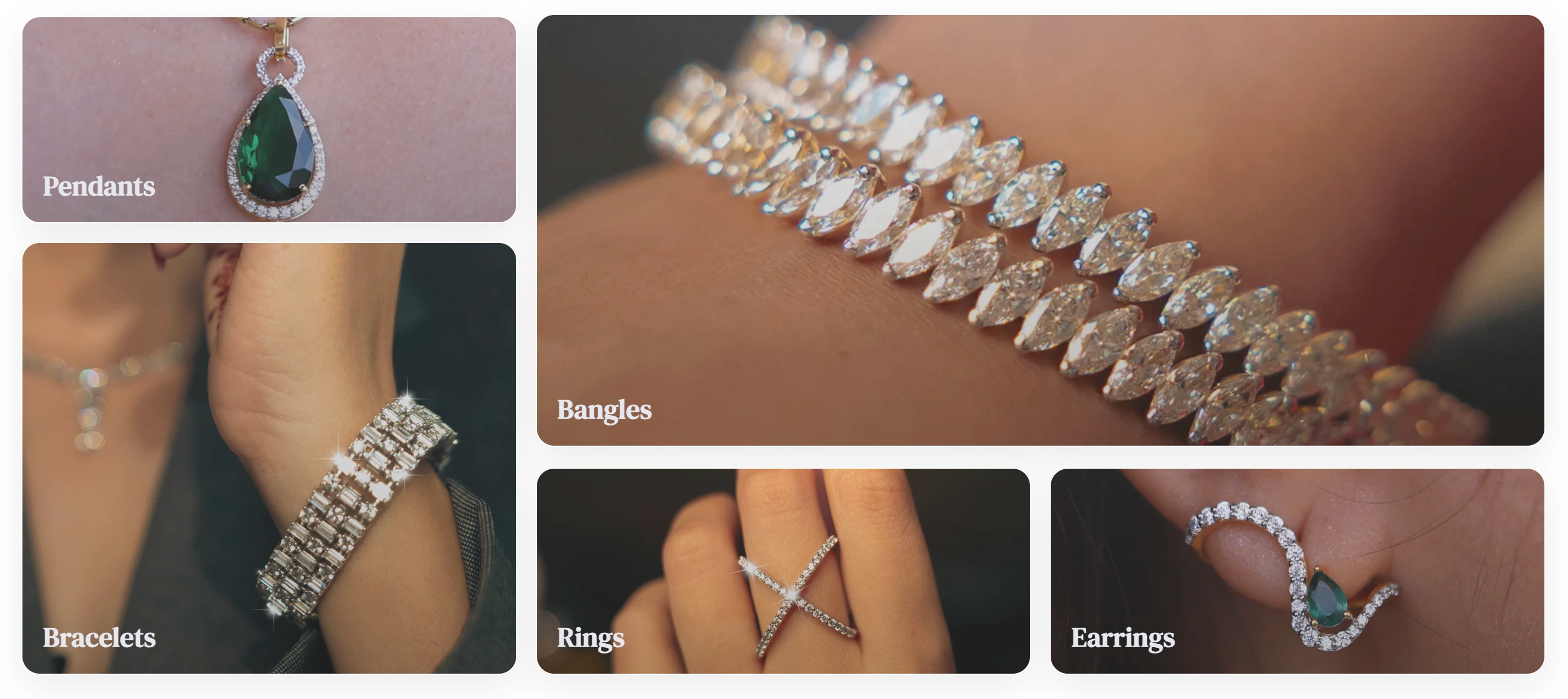
The Bento Grid 2.0 has become a dominant layout pattern, inspired by Apple’s design language. Content is broken into rounded cards of different sizes, each with a clear purpose. On mobile especially, this creates scannable chunks that feel organised and intentional. Everything has a place, and nothing competes for attention unnecessarily.
Alongside this, we are seeing the rise of Tactile Maximalism, often described as squishy or physical UI. Buttons, cards, and containers now appear to have depth and material. They may resemble glass, clay, or soft plastic. Micro-interactions such as subtle deformation or bounce on tap give users a sense of touch, even through a screen.
Typography has also become kinetic. Headlines stretch, animate, or move with scroll, guiding the eye through the page. When used thoughtfully, kinetic typography increases engagement without overwhelming the user. Platforms like ShopIQ are beginning to integrate these motion principles in a performance-safe way, ensuring speed is not sacrificed for visual delight.
The Agentic Shift: From Static Websites to Proactive Experiences
The most significant change in 2026 is not visual. It is behavioural. E-commerce websites are evolving from passive catalogs into active participants in the shopping journey.
This is where Agentic AI comes into play. Instead of waiting for users to search, filter, and compare endlessly, proactive agents anticipate intent. In simple terms, the website starts working for the user.
For example, rather than responding to a question about product availability, an agent might recognise context such as season, location, and past behavior, then curate relevant options automatically. This is the philosophy behind ShopIQ’s commerce copilot approach, where AI assists with decisions instead of just answering questions.
Another major shift is the normalisation of AR and Spatial Shopping. Try-before-you-buy is no longer a novelty. High-quality 3D previews for furniture, fashion, and beauty products are becoming standard because they reduce uncertainty and returns. Seeing how a product fits into your real environment builds confidence and emotional attachment.
We are also seeing a rise in Scrollytelling. Traditional landing pages are giving way to narrative experiences. As users scroll, products visually unbox themselves, features appear in sequence, and the story unfolds like an interactive film. This technique transforms shopping into exploration rather than transaction.
Branding in 2026: Transparency as a Design Principle
Branding today goes far beyond logos and colour systems. In 2026, branding reflects values, ethics, and accountability.
Many modern brands are embracing an un-branded aesthetic, using simple typography and restrained visuals to let honesty take center stage. This minimalism is not about being plain, but about being human and approachable.
Sustainability has also become visible. Users expect Eco-Dashboards that show real data about carbon footprint, sourcing, and impact directly on product pages. These are no longer buried in PDFs or About pages. Design systems must now support data transparency as a first-class feature.
Finally, brands are building community moats. Instead of relying solely on social media, e-commerce platforms are investing in owned communities. Member-only areas, feedback loops, and private drops are now designed directly into the website experience. Tools like ShopIQ increasingly support these models by enabling personalisation and direct engagement within the storefront itself.
What This Means for Founders, Designers, and Teams
To win in 2026, e-commerce experiences must be mobile-first, emotionally intelligent, and AI-guided. This does not mean chasing every trend, but aligning design decisions with how users think, feel, and behave today.
Simplified Bento-style layouts improve clarity on mobile. Warmer, grounded color palettes create trust and calm. Tactile micro-interactions make digital experiences feel physical and engaging.
Most importantly, proactive AI and transparent storytelling build long-term relationships rather than short-term conversions.
The future of e-commerce design is not louder. It is smarter, more human, and more intentional.